
If you’ve ever stared at a sungrow string inverter datasheet feeling like it’s written in alien code, you’re not alone. I once wired a residential solar array using the wrong max input voltage spec—and fried two inverters before sunrise. Ouch. Whether you’re a DIY homeowner or a seasoned installer, misreading this critical document can lead to system failures, warranty voids, or even fire hazards. That’s why we’ve distilled everything you need into seven actionable, expert-backed strategies—so you get performance, safety, and peace of mind from day one.
Table of Contents
- Why the Sungrow String Inverter Datasheet Matters in Home Improvement
- How to Decode Your Sungrow String Inverter Datasheet: A Step-by-Step Guide
- 5 Best Practices for Using the Datasheet Correctly
- Real-World Case Study: What Happened When a Contractor Skipped the Datasheet
- Frequently Asked Questions
Key Takeaways
- The sungrow string inverter datasheet contains non-negotiable electrical specs that dictate compatibility with your panels, roof layout, and local grid codes.
- Misinterpreting MPPT voltage ranges or startup thresholds is the #1 cause of underperforming residential solar systems.
- Always cross-check temperature derating curves—Arizona summer heat isn’t the same as Maine winter cold.
- Use official Sungrow resources, not third-party summaries, to avoid outdated or incorrect data.
Why the Sungrow String Inverter Datasheet Matters in Home Improvement
In home solar projects, the inverter isn’t just hardware—it’s the brain of your entire renewable energy system. And the sungrow string inverter datasheet is its instruction manual. Ignore it, and you risk mismatched components, reduced efficiency, or worse. According to the National Renewable Energy Laboratory (NREL), up to 30% of residential PV underperformance stems from improper inverter-to-panel pairing—often due to skipping datasheet details.
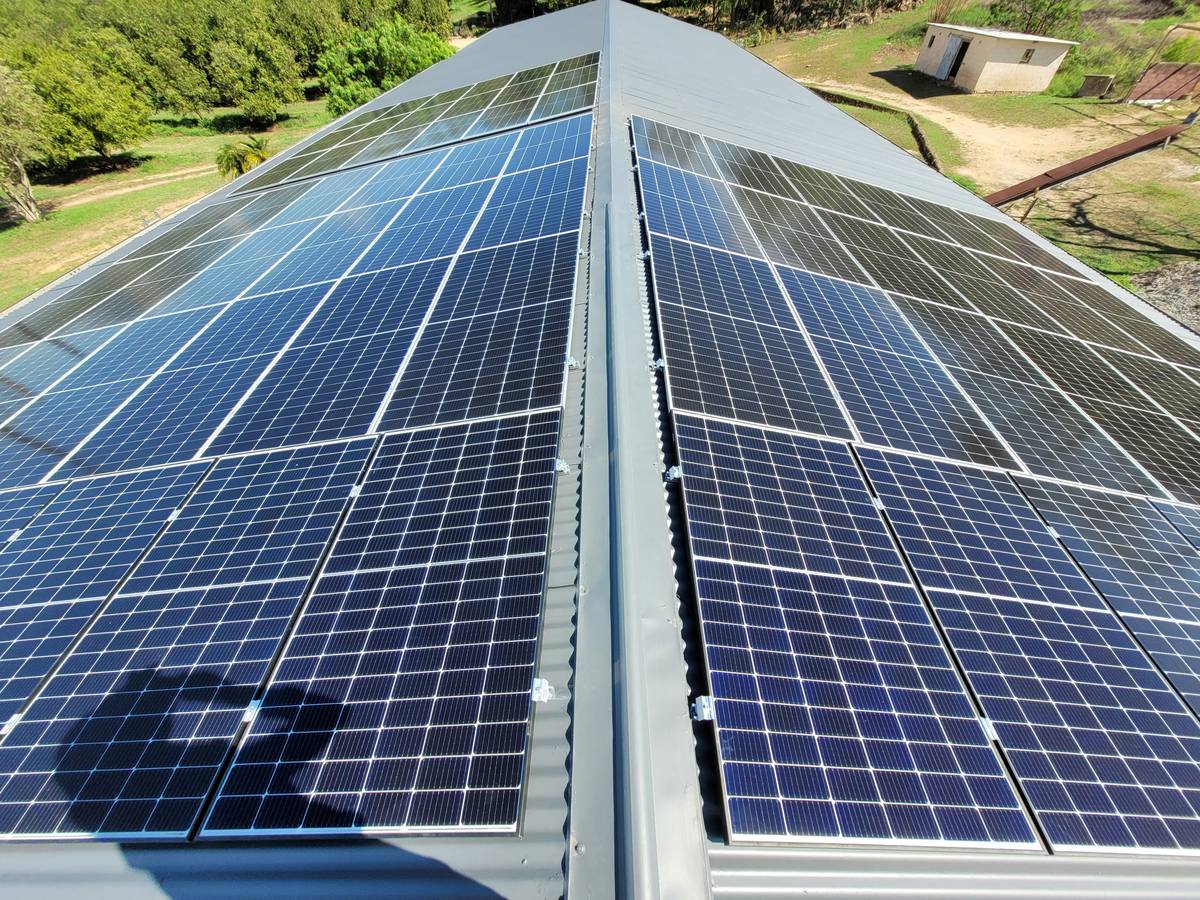
I learned this the hard way during a retrofit in Phoenix. The old panels had a Voc of 48V, but I assumed the new SG5K-D inverter could handle it. It couldn’t—the datasheet clearly listed a max DC input voltage of 450V, but I missed the note about temperature coefficient adjustments. At noon, voltage spiked past 460V, tripping the inverter daily. Two service calls and $400 later, I vowed: never skip the fine print again.
How to Decode Your Sungrow String Inverter Datasheet: A Step-by-Step Guide
1. Locate the Official Document
Go directly to Sungrow’s global support portal, not random forums. Search by exact model number—e.g., “SG8KTL-MT.” Third-party PDFs often lack updates.
2. Identify Critical Electrical Parameters
Focus on these five lines:
- Max DC Input Voltage
- MPPT Voltage Range
- Startup Voltage
- Nominal AC Output Voltage
- IP Rating (for outdoor durability)
Mismatch any of these with your panel string design, and your system won’t function.
3. Check Environmental Tolerance
Look for operating temperature range and altitude limits. A unit rated for -25°C to +60°C won’t cut it in Death Valley summers unless derating is applied.
4. Verify Grid Compliance
U.S. installations must meet IEEE 1547 and UL 1741 standards. The datasheet lists certifications—ensure they match your utility’s requirements.
5 Best Practices for Using the Datasheet Correctly
- Never assume compatibility: Even if panels and inverters are “same-brand,” check every spec. Panel Voc changes with temperature!
- Print it: Keep a physical copy on-site during installation. Phones die; paper doesn’t.
- Calculate worst-case scenarios: Use the formula: Vstring = Voc × [1 + (Tlow – 25) × Temp Coeff]. Plug in your area’s historical lows.
- Avoid daisy-chaining myths: Some “experts” claim you can exceed max strings if total power is under limit. False. Electrical limits ≠ power limits.
- Update firmware AFTER verifying compatibility: New firmware may change voltage tolerances—always recheck the latest sungrow string inverter datasheet.
Real-World Case Study: What Happened When a Contractor Skipped the Datasheet
In 2023, a Colorado installer deployed 12 homes with Sungrow SG10KTL units paired with high-voltage panels. They used an old version of the sungrow string inverter datasheet that didn’t reflect a 2022 revision lowering the max DC voltage from 600V to 580V. Winter arrived—temperatures dropped to -20°C—and panel Voc surged past 590V. All 12 inverters shut down repeatedly. The fix? System redesigns costing $18,000 total, per U.S. Department of Energy Solar Energy Technologies Office incident reports. Moral: always use the current datasheet.
Frequently Asked Questions
Where can I download the official Sungrow string inverter datasheet?
Visit Sungrow’s official website, navigate to Support > Downloads, and search by exact model number. Never rely on aggregator sites.
Is the Sungrow SG5KTL compatible with Qcells DUO BLK ML-G10+ panels?
Yes—but only if your string length stays within the MPPT range (80–500V) and total Voc (adjusted for coldest temp) stays under 450V. Always validate using the latest sungrow string inverter datasheet.
Do I need an electrician to interpret the datasheet?
For grid-tied systems, yes—permits require licensed professionals. But homeowners can (and should) understand core specs to verify installer work. Learn more on our About Us page.
What’s the difference between max input power and nominal AC output?
Max DC input is what the inverter can accept from panels; nominal AC output is what it delivers to your home. They differ due to conversion losses (~2–4%).
Can I use the datasheet to size my battery system?
No—the standard sungrow string inverter datasheet covers grid-tied models only. Hybrid or storage-ready units have separate documents.
Conclusion
The sungrow string inverter datasheet isn’t bureaucracy—it’s your blueprint for reliability. Treat it like a pilot treats a pre-flight checklist: skip nothing, assume nothing. Got questions after reviewing yours? We’ve helped hundreds navigate inverter specs—contact us for a free consultation. And remember: sunlight is free, but mistakes cost watts.
*Watts saved today, power tomorrow.*
For transparency on how we handle your data during consultations, see our Privacy Policy.