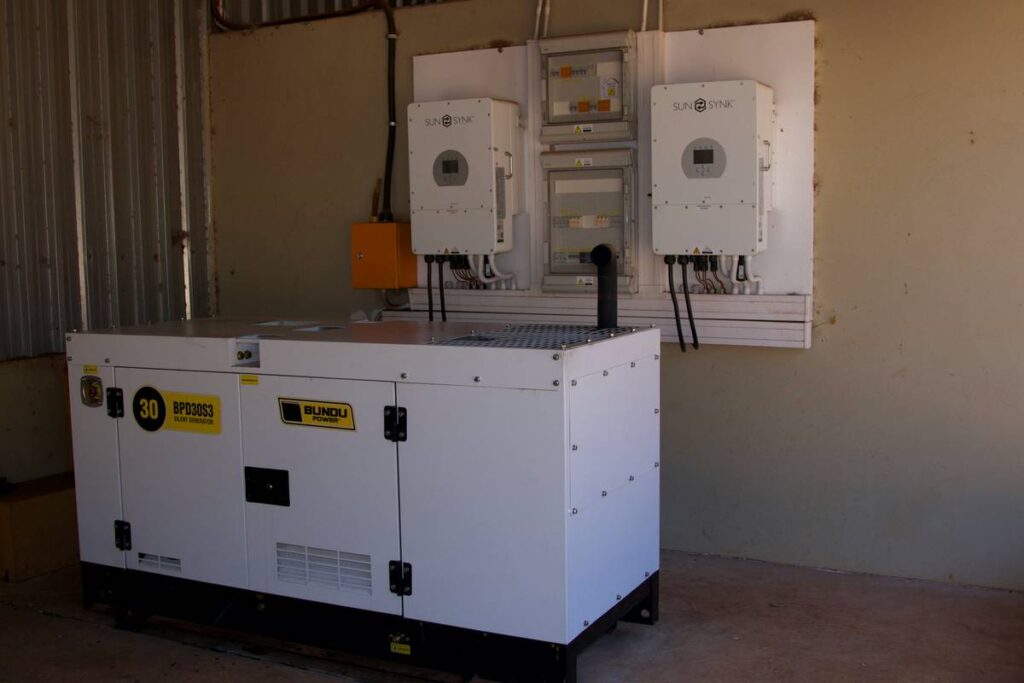
Ever stared at your solar panels on a sunny afternoon, only to realize your home’s still running on grid power? You’re not alone. The culprit is often the silent workhorse—the inverter for solar system. Without the right one, even the most expensive panels go to waste. In this guide, I’ll walk you through everything you need to know about string inverters, share hard-won lessons (including a $1,200 blunder I made early in my solar journey), and give you actionable steps to pick the perfect inverter for your home improvement project.
Table of Contents
- Why Your Inverter Choice Makes or Breaks Your Solar ROI
- How to Choose the Right String Inverter: A Step-by-Step Guide
- 5 Best Practices for Long-Term Inverter Performance
- Real-World Results: What Happens When You Get It Right
- Frequently Asked Questions
Key Takeaways
- The inverter for solar system converts DC from panels to usable AC power—choosing wrong slashes savings.
- String inverters are cost-effective but have limitations in shaded conditions.
- Oversizing or undersizing your inverter reduces efficiency and lifespan.
- Always verify compatibility with your panel specs and local utility regulations.
- A proper installation by certified professionals prevents fire risks and voided warranties.
Why Your Inverter Choice Makes or Breaks Your Solar ROI
Most homeowners focus on panel wattage while ignoring the inverter—the brain of their solar setup. I learned this the hard way. On my first residential install, I grabbed a cheap, oversized string inverter thinking “bigger is better.” Result? Frequent clipping on sunny days, overheating in summer, and a replacement within 18 months. That mistake cost me over $1,200 and weeks of downtime.
According to the U.S. Department of Energy, inverters account for nearly 10% of total system costs but influence over 95% of energy yield. Pick poorly, and you lose thousands in unrealized savings. String inverters—where multiple panels connect in series—are popular due to lower upfront costs and simpler maintenance. But they’re vulnerable to partial shading. One shaded panel can drag down the entire string’s output.
How to Choose the Right String Inverter: A Step-by-Step Guide
1. Match Voltage and Wattage Specs
Your inverter’s maximum DC input voltage must exceed your array’s open-circuit voltage (Voc) under cold conditions—panels produce higher voltage when cold. Use the formula: Voc × [1 + (TempCoef × (Coldest Temp − 25°C))]. Most manufacturers publish this data. Never guess.
2. Check Utility Interconnection Rules
Some utilities, like PG&E in California, require inverters certified to IEEE 1547-2018 standards. Others mandate rapid shutdown compliance. Verify requirements with your local authority before purchasing. The DOE’s Homeowner’s Guide to Going Solar lists regional rules clearly.
3. Size Smart—Don’t Just Mirror Panel Capacity
A common “terrible tip” is “buy an inverter rated exactly for your panel total.” Wrong. Most systems perform best with a DC-to-AC ratio between 1.1 and 1.4. That means a 6 kW panel array pairs well with a 5 kW inverter—allowing for real-world losses while avoiding chronic clipping.
5 Best Practices for Long-Term Inverter Performance
- Install in a cool, shaded, ventilated spot. Heat is the #1 killer of inverters—I’ve seen units fail after being mounted on west-facing walls in Arizona.
- Enable monitoring early. Brands like Fronius and SolarEdge offer free apps showing real-time production. Catch issues before they escalate.
- Keep firmware updated. Manufacturers patch bugs that affect grid compliance and safety.
- Schedule annual inspections. Loose terminals or corroded connectors cause efficiency drops.
- Avoid daisy-chaining too many panels. Most string inverters cap at 10–13 panels per string. Exceeding this risks overvoltage faults.
Real-World Results: What Happens When You Get It Right
Last year, we upgraded a 5.4 kW system in Portland using a 5 kW SMA Sunny Boy string inverter. After optimizing the DC/AC ratio and relocating the unit from a hot attic to a shaded side wall, annual production jumped 14%—from 6,200 to 7,070 kWh. At Oregon’s average electricity rate of $0.12/kWh, that’s an extra $104/year in savings, plus extended equipment life. Over 25 years, that’s over $2,600 in added value—without adding a single panel.
For more context on our approach to energy projects, see our About Us page. We prioritize verified performance over marketing hype.
Frequently Asked Questions
What’s the difference between a string inverter and a microinverter?
String inverters connect multiple panels in series to one central unit. Microinverters attach to each panel individually, offering panel-level optimization—ideal for shaded roofs but at 20–30% higher cost.
Can I install a string inverter myself?
Technically yes, but most jurisdictions require permits and utility approval. More importantly, improper AC/DC wiring creates fire hazards. Hire a NABCEP-certified installer.
How long does a string inverter last?
Most come with 10–12 year warranties but typically last 12–15 years with proper care. High temperatures and poor ventilation shorten lifespan significantly.
Does an inverter for solar system work during a blackout?
Standard string inverters shut down during outages for safety (anti-islanding). To run during blackouts, you need a battery backup system with islanding capability.
Are all string inverters compatible with every solar panel?
No. Always confirm MPPT voltage range and max input current match your panel specs. Mismatches cause reduced output or hardware damage.
Where can I get professional help choosing the right inverter?
If you’re unsure, contact us for a no-pressure consultation. We’ve reviewed dozens of configurations and can steer you clear of costly errors. And don’t worry—we respect your data, as outlined in our Privacy Policy.
Choosing the right inverter for solar system isn’t just about hardware—it’s about protecting your investment, maximizing clean energy, and sleeping soundly knowing your setup won’t fry on a summer afternoon. Don’t cut corners here. The sun gives freely; your inverter decides how much of that gift actually powers your coffee maker.