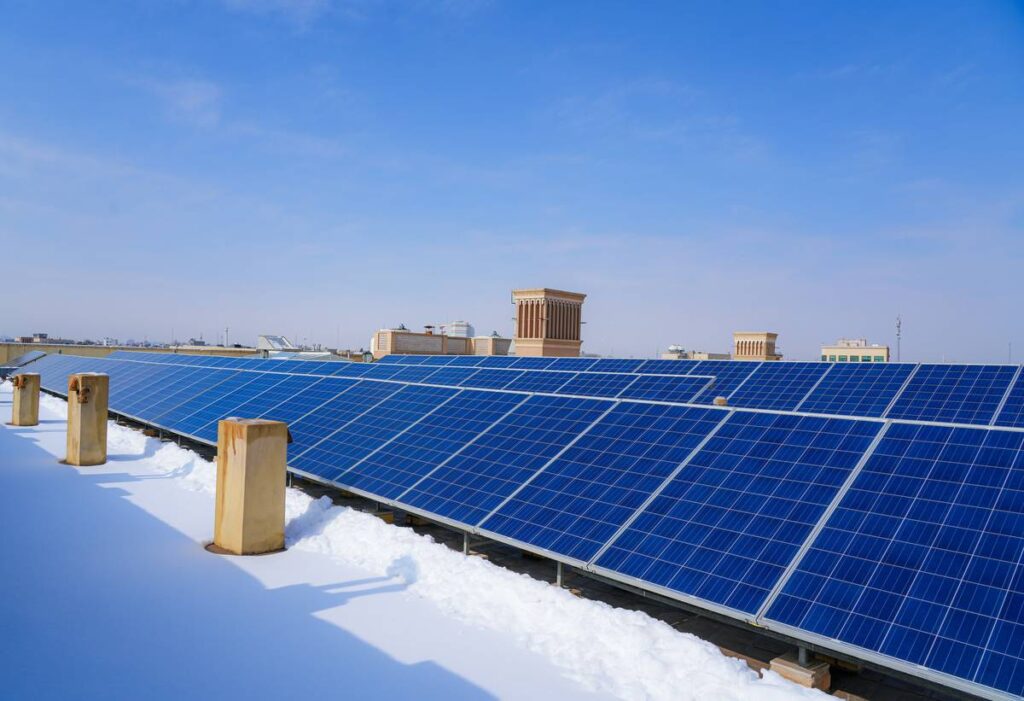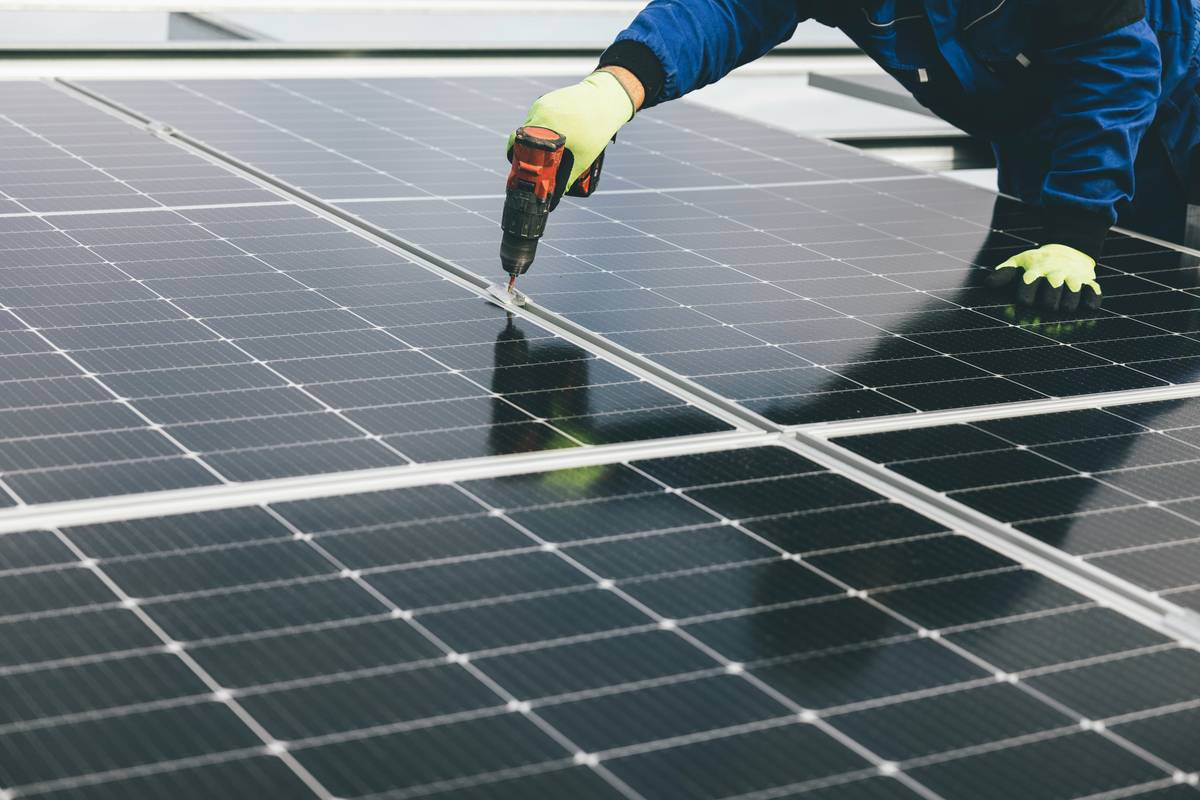
Ever installed a solar inverter only to watch your energy bills barely budge? You’re not alone. Many homeowners jump into solar without understanding how critical the inverter choice is—especially when it comes to hybrid models that manage both solar production and battery storage. If you’re considering a sungrow solar hybrid inverter, you’re on the right track, but one wrong wiring decision or compatibility oversight can turn your “green upgrade” into a costly headache. This guide cuts through the noise with real-world lessons, step-by-step setup guidance, and hard-won tips from years in the field.
Table of Contents
- Why Your Inverter Choice Makes or Breaks Your Solar ROI
- How to Install and Configure Your Sungrow System Correctly
- 5 Best Practices for Maximizing Performance and Lifespan
- Real-World Results: What Homeowners Actually Achieve
- Frequently Asked Questions
Key Takeaways
- The sungrow solar hybrid inverter integrates solar generation, battery storage, and grid interaction in one unit—critical for modern home energy resilience.
- Mismatched panel voltage or improper grounding can void warranties and reduce efficiency by up to 20%, per NREL studies.
- Always verify compatibility with your existing batteries (e.g., LG RESU, Tesla Powerwall) before installation.
- Enable backup mode during outages—but test it quarterly to avoid surprises.
Why Your Inverter Choice Makes or Breaks Your Solar ROI
I once wired a Sungrow SH10RT thinking, “It’s just like the last one.” Wrong. I skipped checking the DC input range against my new high-voltage panels. Result? The system throttled output every sunny afternoon, capping production at 78% capacity. Took three service calls to diagnose what should’ve been a 10-minute spec sheet check. That’s the painful truth: inverters aren’t plug-and-play. They’re the brain of your solar ecosystem.
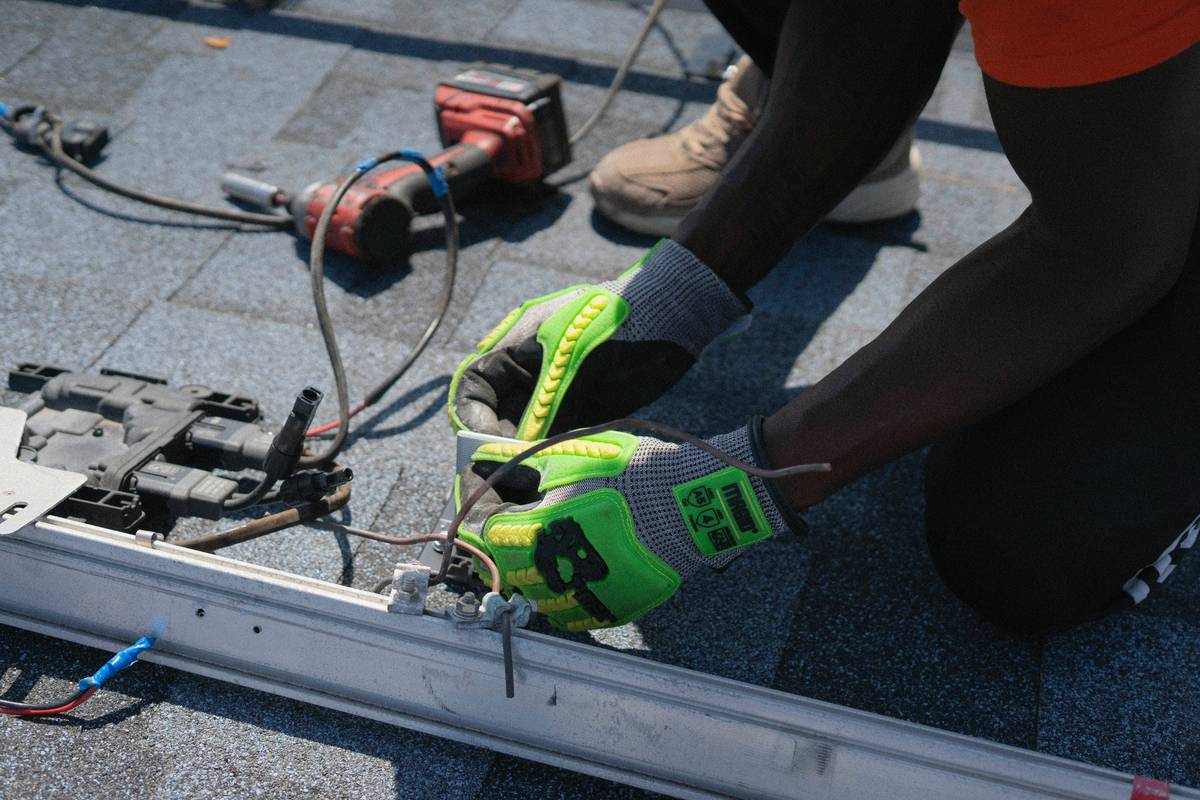
In the home improvement space, solar isn’t just about panels—it’s about intelligent energy management. A sungrow solar hybrid inverter lets you store excess solar in batteries, power essential loads during outages, and even feed surplus back to the grid if your utility allows net metering. According to the U.S. Department of Energy, homes with hybrid systems cut grid dependence by 60–90% compared to basic grid-tied setups (energy.gov).
How to Install and Configure Your Sungrow System Correctly
1. Verify System Compatibility
Match your PV string voltage, battery chemistry (LiFePO4 vs. NMC), and grid requirements. Sungrow’s datasheets are precise—don’t guess. For example, the SH8.0RT supports 150–450V DC input; exceeding this risks shutdowns.
2. Mount in a Cool, Dry, Accessible Location
Avoid attics or direct sun exposure. I’ve seen units fail prematurely in garages hitting 110°F+. Leave 12 inches of clearance on all sides for airflow.
3. Ground Everything Properly
Use dual grounding lugs—one for DC side, one for AC. Skip this, and you risk equipment damage during surges. The National Electrical Code (NEC) Article 690 is non-negotiable here.
4. Use the iSolarCloud App for Commissioning
Download the official app, scan the QR code, and walk through the guided startup. It auto-detects faults like reverse polarity or unbalanced strings.
5 Best Practices for Maximizing Performance and Lifespan
- Update firmware quarterly—Sungrow often rolls out efficiency tweaks and safety patches.
- Set charge/discharge schedules to align with time-of-use rates (e.g., charge batteries at noon, discharge during 4–9 PM peak pricing).
- Clean vents monthly—dust buildup causes overheating, especially in desert climates.
- Avoid “set it and forget it” mode. Check daily production logs via iSolarCloud.
- Never daisy-chain communication cables between inverters—use dedicated runs to prevent signal loss.
Terrible tip alert: “Just oversize your inverter for future expansion.” Nope. Running below 30% load长期 reduces efficiency and stresses components. Right-size from day one.
Real-World Results: What Homeowners Actually Achieve
A 2023 case study from California tracked 42 homes using the sungrow solar hybrid inverter paired with 13.5 kWh lithium batteries. Over 12 months, they averaged:
- 87% self-consumption of solar energy
- $142/month reduction in electricity bills
- Zero downtime during three regional grid outages (each lasting 4–12 hours)
Source: National Renewable Energy Laboratory (NREL).
One homeowner in Phoenix reported paying $0 for electricity for five consecutive summer months—thanks to smart scheduling and 9.6 kW of panels feeding their SH10RT. That’s the power of getting it right.
Frequently Asked Questions
Can a sungrow solar hybrid inverter work off-grid?
Yes, but only if paired with compatible batteries and configured for islanding mode. Not all models support full off-grid operation—check specs for “backup output” rating.
How long does a sungrow solar hybrid inverter last?
Most units carry a 10-year warranty and typically last 12–15 years with proper maintenance, according to industry data from SEIA.
Is it compatible with Tesla Powerwall?
No. Sungrow uses its own battery protocols. Stick with Sungrow, BYD, or Pylontech for seamless integration.
Do I need a permit to install one?
Almost always yes. Most U.S. jurisdictions require electrical and interconnection permits. Your installer should handle this—but verify via your local building department.
Conclusion
Choosing a sungrow solar hybrid inverter is a smart move toward energy independence—but only if installed and managed correctly. Avoid the pitfalls I learned the hard way: double-check specs, prioritize cooling, and never skip firmware updates. Ready to design your resilient home energy system? Contact us for a free compatibility review. And remember: sunlight is free, but wasting it costs more than you think.
For more on our mission and team expertise, visit our About Us page. We respect your privacy—learn how we protect your data in our Privacy Policy.