If you’re installing solar panels on your home, choosing the wrong inverter type could silently drain hundreds—or even thousands—of dollars from your energy savings. I learned this the hard way when my first residential install overheated during a summer heatwave because I assumed “bigger is better” with central inverters. Spoiler: it wasn’t. In this guide, we’ll dissect the real-world differences between string inverter and central inverter systems so you can pick the right one for your roof, budget, and long-term goals.
Table of Contents
- Why Your Inverter Choice Matters in Home Solar
- How to Choose Between String and Central Inverters
- 5 Best Practices for Reliable Inverter Performance
- Real-World Results: What Homeowners Actually Experience
- Frequently Asked Questions
Key Takeaways
- String inverters offer panel-level optimization; central inverters suit large, unshaded roofs.
- Mixing inverter types in a single system often causes compatibility headaches.
- Shading, roof layout, and future expansion plans heavily influence which inverter type wins.
- The National Renewable Energy Laboratory (NREL) confirms string inverters now dominate U.S. residential installs due to flexibility.
- Always verify warranty terms—some central inverters have shorter coverage than premium string models.
Why Your Inverter Choice Matters in Home Solar
Your solar inverter isn’t just a box—it’s the brain of your renewable energy system. It converts DC power from panels into usable AC electricity for your home. Get this wrong, and even top-tier panels underperform. The debate between string inverter and central inverter setups hinges on scalability, shading tolerance, and maintenance.
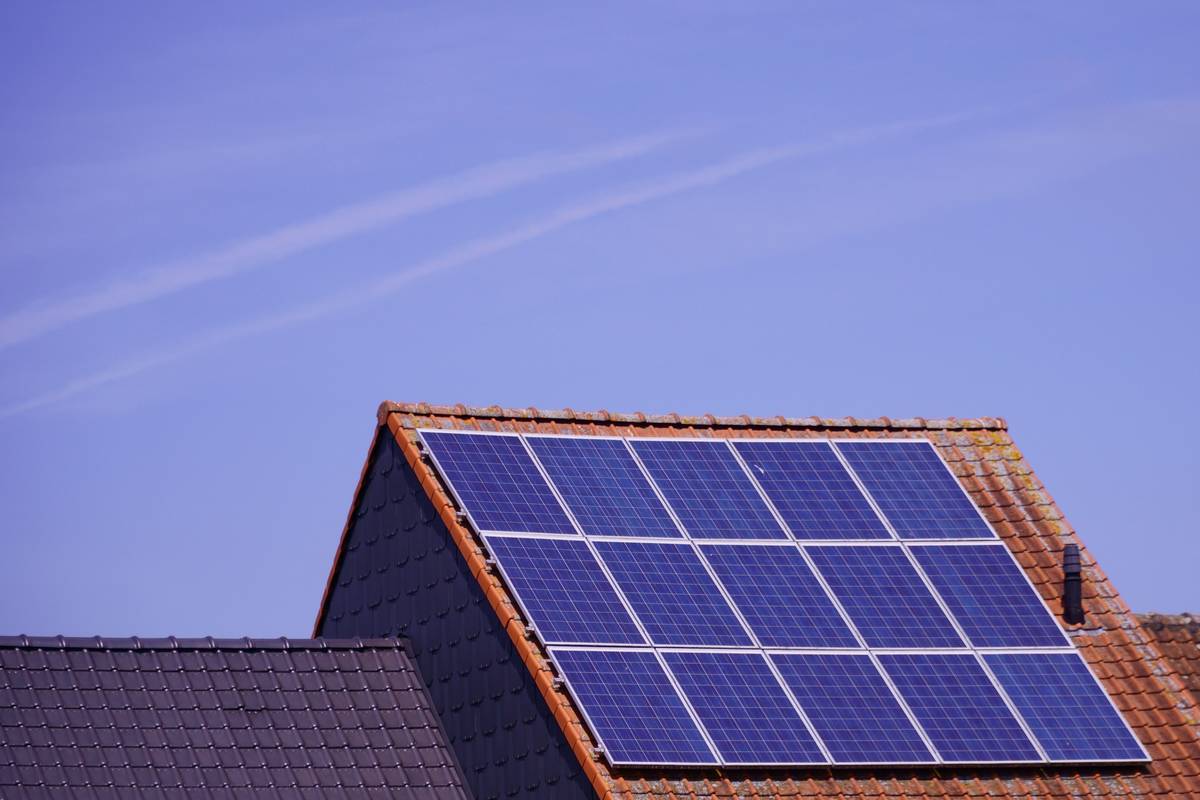
According to the U.S. Department of Energy, over 80% of new home solar systems now use string inverters or microinverters—largely because modern roofs rarely offer perfect, unobstructed south-facing space. Central inverters, once standard for utility-scale projects, struggle when even one panel gets shaded, dragging down the entire string’s output.
How to Choose Between String and Central Inverters
1. Assess Your Roof’s Shading Profile
Walk around your house at different times of day. If trees, chimneys, or neighboring buildings cast shadows on any panels, string inverters (especially with power optimizers) will outperform central units by isolating underperforming panels.
2. Calculate System Size and Expansion Plans
Central inverters typically start at 10 kW—ideal for large homes or future EV charger additions. But if you’re starting with a 5–7 kW system, a string setup scales more gracefully. Check our About Us page to see how our team navigates these decisions daily.
3. Compare Total Lifetime Costs
Yes, central inverters often have lower upfront costs per watt. But factor in replacement frequency: central units usually last 10–12 years versus 15+ for quality string inverters like those from SMA or SolarEdge.
5 Best Practices for Reliable Inverter Performance
- Never install inverters in direct sunlight or enclosed attics—heat kills electronics faster than voltage spikes.
- Use rapid shutdown-compliant models to meet NEC 2017+ safety codes.
- Monitor performance via apps—most string inverters offer free panel-level dashboards.
- Avoid the “terrible tip” of daisy-chaining multiple central inverters to mimic string flexibility—it creates firmware conflicts and voids warranties.
- Schedule annual inspections; dust buildup reduces airflow efficiency by up to 18% (per NREL field studies).
Real-World Results: What Homeowners Actually Experience
In a 2023 study by the National Renewable Energy Laboratory (NREL), homes with string inverters in partially shaded neighborhoods produced 12–22% more annual energy than comparable central inverter setups. One Arizona homeowner saw his electric bill drop from $180 to $35/month after switching from a failing central unit to a string inverter with optimizers—all without adding new panels.
Conversely, a Texas builder installing solar on 20 identical, shade-free rooftops saved $1,200 per home using a single central inverter instead of multiple string units. Context is king. There’s no universal “best”—only what’s best for your property.
I’ll admit—I used to rant about “inverter snobs” who dismissed central options outright. But after troubleshooting a client’s tripped GFCI caused by mismatched grounding in a hybrid string/central setup? Now I preach compatibility over brand loyalty. Don’t be me—plan holistically.
Frequently Asked Questions
Which is cheaper: string inverter or central inverter?
Central inverters often cost less upfront per watt, but string systems usually deliver higher lifetime ROI in typical residential settings due to better shade handling and longer warranties.
Can I mix string and central inverters on one roof?
Technically possible but strongly discouraged. Mixing creates complex wiring, firmware incompatibilities, and voids manufacturer support—stick to one architecture.
Do string inverters need more maintenance?
No—they’re actually simpler to service since failures affect only one string, not your entire array. Most modern units also feature remote diagnostics.
Are central inverters obsolete for homes?
Not if you have a large, unshaded roof and plan major future expansion. But for most suburban homes, string inverters are the smarter default choice today.
How long do string vs. central inverters last?
Premium string inverters typically offer 12–25 year warranties. Central inverters average 10–12 years. Always check specific model terms—don’t assume.
Where can I get a professional inverter assessment?
We offer no-pressure consultations—contact us to review your roof layout and energy goals. And rest assured, we follow strict data privacy standards outlined in our Privacy Policy.
Choosing between a string inverter and central inverter isn’t about tech specs alone—it’s about matching hardware to your home’s reality. When in doubt, prioritize flexibility over initial savings. After all, the sun doesn’t negotiate… but your inverter should work harder when clouds roll in.