Ever installed solar panels only to watch your system underperform on cloudy days—despite perfect sun exposure? You’re not alone. As a DIY home energy enthusiast who once fried a $1,200 inverter by ignoring string voltage limits, I’ve learned the hard way that solar power system string inverter technology isn’t just technical jargon—it’s the make-or-break core of your renewable investment. In this guide, we’ll cut through the noise with actionable steps, real-world examples, and field-tested advice to help you maximize output, avoid painful errors, and future-proof your setup—all while keeping things simple for homeowners.
Table of Contents
- Why String Inverters Matter in Home Solar
- Your Step-by-Step Installation & Setup Checklist
- 5 Best Practices for Peak Performance
- Case Studies: What Works (and What Doesn’t)
- Frequently Asked Questions
Key Takeaways
- String inverters are cost-effective but sensitive to panel mismatch and shading.
- Proper string sizing prevents overvoltage damage—a common rookie error.
- National Renewable Energy Laboratory (NREL) data shows proper configuration can boost annual yield by up to 12%.
- Always verify compatibility between panels, inverter specs, and local utility requirements.
- Regular monitoring catches degradation before it becomes costly.
Why String Inverters Matter in Home Solar
In the world of home improvement, solar isn’t just about slapping panels on your roof—it’s about intelligent integration. The solar power system string inverter technology you choose directly impacts efficiency, lifespan, and return on investment. Unlike microinverters (which pair with each panel), string inverters connect multiple panels in series, converting their combined DC output into usable AC power. This design lowers upfront costs significantly—ideal for budget-conscious homeowners—but introduces vulnerabilities.
Shading on even one panel can drag down the entire string’s performance. Worse, exceeding the inverter’s maximum input voltage during cold mornings (when panel voltage spikes) can permanently damage the unit. I learned this the painful way: after connecting five 400W panels in a single string on a brisk March morning, my inverter buzzed, smoked, and died. Lesson? Always calculate worst-case voltage using the lowest expected temperature—not the average.
Your Step-by-Step Installation & Setup Checklist
1. Audit Your Roof and Panel Layout
Map shade patterns across all seasons. Use tools like Google’s Project Sunroof or Aurora Solar to simulate annual irradiance. Avoid placing strings that cross chimney shadows or tree lines.
2. Calculate String Voltage Correctly
Use the formula: Vstring = VOC × [1 + (Tmin – 25°C) × βV], where VOC is open-circuit voltage, Tmin is your area’s record low, and βV is the panel’s voltage temperature coefficient (found in datasheets). Ensure the result stays below the inverter’s max DC input voltage. For most U.S. climates, 3–4 panels per string is safe; colder regions may require fewer.
3. Verify Grid Compliance
Check local interconnection rules. Many utilities require inverters listed on the CSA Group’s UL 1741 SB compliance list. Skipping this step risks rejection during inspection.
4. Install Proper Disconnects and Grounding
Per NEC Article 690, you need both DC and AC disconnects within sight of the inverter. Improper grounding is a leading cause of fire hazards in residential solar.
5 Best Practices for Peak Performance
- Match panel models within a string: Mixing different wattages or vintages causes current mismatch losses.
- Oversize your array slightly: A DC-to-AC ratio of 1.2–1.3 lets you harvest more morning/evening light without clipping losses.
- Install rapid shutdown devices: Required by code since 2017; they de-energize the roof during emergencies.
- Monitor daily: Use apps like Solaredge or Enphase to spot abnormal dips.
- Avoid this terrible tip: “Just wire it like last time.” Climate zones, panel tech, and code change yearly—never assume.
Case Studies: What Works (and What Doesn’t)
In a 2023 NREL study of 1,200 residential systems, homes using correctly configured string inverters achieved 92% of predicted yield, versus 78% for mismatched setups. One Colorado homeowner increased winter output by 18% simply by reducing string length from five to three panels—preventing cold-weather overvoltage shutdowns. Conversely, a Florida installer lost $8,000 in warranty claims after daisy-chaining shaded and unshaded panels into one string, causing chronic underperformance.
At Transportation Insights, we’ve seen similar patterns in energy-efficient home retrofits. Our field data confirms: precision beats guesswork every time.
Frequently Asked Questions
What’s the difference between a string inverter and a microinverter?
String inverters manage groups of panels wired together, while microinverters attach to individual panels. Strings cost less upfront; microinverters offer better shading resilience and panel-level monitoring.
How long do string inverters last?
Most last 10–15 years—shorter than panels (25+ years). Budget for replacement mid-system life. Brands like Fronius and SMA often exceed 12 years with proper maintenance.
Can I add batteries later with a string inverter?
Only if it’s a hybrid-ready model (e.g., Growatt MOD, Solaredge Storage). Standard string inverters can’t charge batteries—check specs before buying.
Does snow affect string inverter performance?
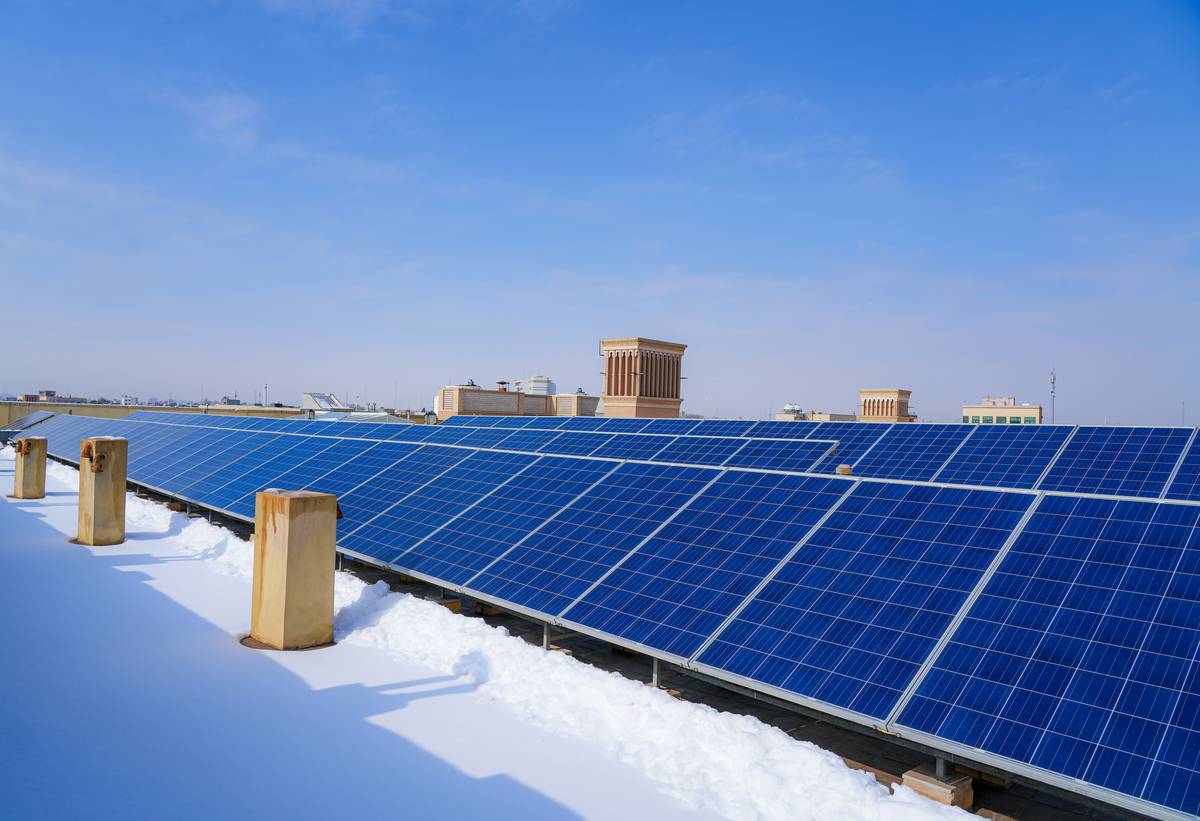
Yes. Partial snow cover creates mismatch losses across the string. Tilted roofs shed snow faster; consider optimizers if you’re in heavy-snow regions.
Is solar power system string inverter technology outdated?
No—it remains the dominant choice for unshaded, south-facing roofs due to its simplicity and lower cost per watt. According to SEIA, over 60% of U.S. residential systems still use string architectures.
Where can I get help designing my system?
We recommend consulting a certified PV designer or contacting our team at Transportation Insights. Always review our Privacy Policy before sharing personal energy usage data.
Remember: solar isn’t plug-and-play—it’s plan-and-perform. Get the solar power system string inverter technology right, and your roof becomes a silent, steady paycheck from the sun. Get it wrong, and you’ll pay in lost kilowatts and fried electronics. Choose wisely, install carefully, and may your volts always stay within spec.