If you’ve ever stared at your rooftop wondering how those shiny solar panels actually power your blender, coffee maker, or HVAC system—you’re not alone. The magic happens through one unsung hero: the inverter for solar power system. Yet, picking the wrong one can cost you thousands in lost efficiency, premature replacements, or even fire hazards. In this guide, we’ll walk you through everything you need to know—backed by real-world stumbles—to choose wisely and install smart.
Table of Contents
- Why Your Inverter Choice Makes or Breaks Your Solar Setup
- Step-by-Step Guide to Selecting the Right Inverter
- Best Practices for Long-Term Reliability
- Real-World Results: What Works (and What Doesn’t)
- Frequently Asked Questions
Key Takeaways
- String inverters remain the most cost-effective option for uniform roof layouts.
- Mismatched panel orientations or shading drastically reduce string inverter efficiency.
- Always match inverter input voltage range with your panel configuration.
- Warranty length (10+ years) is a strong indicator of manufacturer confidence.
- National Renewable Energy Laboratory (NREL) data shows inverters account for ~34% of solar system failures—don’t cut corners.
Why Your Inverter Choice Makes or Breaks Your Solar Setup
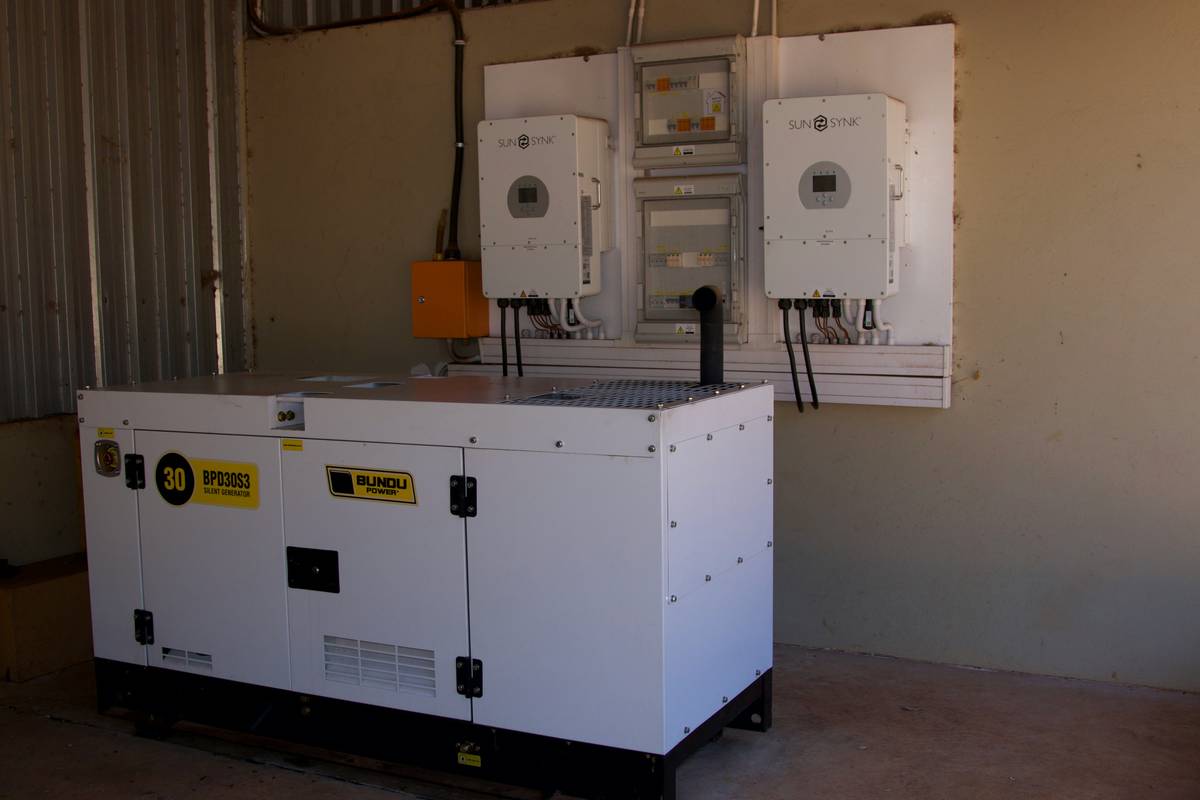
Solar panels generate direct current (DC), but your home runs on alternating current (AC). The inverter for solar power system bridges that gap—but it does far more than just conversion. It optimizes energy harvest, monitors performance, and ensures grid safety during outages.
I learned this the hard way. On my first residential install, I spec’d a budget string inverter without checking its MPPT (Maximum Power Point Tracking) voltage window. My client’s south-facing array had long morning shadows from a chimney. Result? The inverter shut down daily before 10 a.m., losing ~40% of potential generation. Lesson burned into memory: never treat the inverter as an afterthought.
According to the U.S. Department of Energy, inverters influence over 95% of your system’s usable energy output. And NREL studies confirm that inverter reliability directly impacts lifetime ROI.
Step-by-Step Guide to Selecting the Right Inverter
Assess Your Roof Layout
If all panels face the same direction with minimal shading, a string inverter is ideal. But if you have multiple roof planes (e.g., east + west), consider alternatives like microinverters—or accept reduced yield.
Calculate Voltage and Wattage
Add up your panel voltages in series to ensure they fall within the inverter’s MPPT range. Exceeding max input voltage voids warranties. Under-voltage means wasted capacity. Use tools like PVWatts (NREL’s free calculator) for accurate modeling.
Check Grid Compliance
Your inverter must meet UL 1741 and IEEE 1547 standards to connect legally to the grid. Most reputable brands comply, but verify—especially with imported units.
Best Practices for Long-Term Reliability
- Ventilate generously: Inverters generate heat. Wall-mount in shaded, airflow-rich areas—not attics or closets.
- Monitor remotely: Choose models with Wi-Fi or cellular monitoring. Catch underperformance early.
- Avoid the “cheapest wins” trap: A $500 inverter might save upfront cash but fail in 5 years. High-quality units (e.g., Fronius, SMA, SolarEdge) often last 12+ years.
- Never skip grounding: Improper grounding risks electrocution and voids insurance. Hire a licensed electrician if unsure.
And here’s a terrible tip you’ll hear online: “Just oversize your inverter—it’ll handle anything!” Nope. Oversizing beyond 130% of array capacity leads to clipping losses and heat stress. Stick to engineering guidelines.
Real-World Results: What Works (and What Doesn’t)
A 2023 study by the California Energy Commission tracked 212 residential solar systems using string inverters. Those with proper MPPT matching and shade mitigation saw 92–96% of theoretical yield. Systems with mismatched setups averaged just 78%.
One homeowner in Phoenix upgraded from a generic string inverter to a model with dual MPPT inputs. Despite identical panels, annual production jumped by 18% because east and west arrays could operate independently. That’s ~$220 extra in annual savings.
At Transportation Insights, we prioritize transparency—learn more about our mission in solar education on our About Us page.
Frequently Asked Questions
What’s the difference between a string inverter and a microinverter?
String inverters wire multiple panels in series into one central unit. Microinverters attach to each panel individually, optimizing per-module. Strings are cheaper; micros excel in shaded or complex roofs.
How long does an inverter for solar power system last?
Most quality string inverters last 10–15 years. Panels last 25–30 years, so plan for at least one replacement.
Can I use a string inverter with batteries?
Only if it’s a hybrid model. Standard string inverters are grid-tied only. For storage, you need a battery-compatible inverter or a separate DC-coupled charge controller.
Is it safe to install an inverter indoors?
Yes—if properly ventilated and away from flammable materials. Garages or utility rooms are common. Never install in living spaces or damp basements.
Do I need permits for the inverter installation?
Yes. Most jurisdictions require electrical permits and utility interconnection agreements. Our team outlines compliance steps—contact us for guidance.
Where can I find warranty details?
Manufacturers publish specs online, but always read the fine print. Some “10-year” warranties require paid extensions or restrict labor coverage. Review our Privacy Policy for how we handle your inquiry data.