If you’ve ever stared at your rooftop solar array wondering why your energy bill hasn’t dropped as expected, the culprit might be hiding in plain sight: your inverter. Specifically, a poorly matched or misunderstood string inverter. As someone who once fried two panels by daisy-chaining mismatched modules through a bargain-bin inverter (yes, really), I can tell you firsthand: choosing the right inverter isn’t just technical—it’s personal. This guide cuts through the jargon to explain exactly what is string inverter in solar systems, why it matters for your home’s efficiency, and how to sidestep expensive blunders.
Table of Contents
- Why String Inverters Matter in Home Solar
- How String Inverters Work: A Simple Breakdown
- 5 Best Practices for Choosing & Installing
- Real-World Performance Data
- Frequently Asked Questions
Key Takeaways
- A string inverter converts DC power from multiple solar panels wired in series into usable AC electricity.
- Shading or panel mismatch on one panel can drastically reduce output for the entire string.
- String inverters are cost-effective for unshaded roofs but less flexible than microinverters.
- Proper sizing and MPPT tracking are critical for maximizing ROI.
- The U.S. Department of Energy estimates inverters account for ~10% of total system costs but influence 100% of energy yield.
Why String Inverters Matter in Home Solar
In the world of home improvement, solar isn’t just about slapping panels on your roof—it’s about intelligent energy conversion. The heart of that conversion? The inverter. Among the most common types is the string inverter, used in over 60% of residential installations according to the National Renewable Energy Laboratory (NREL). But here’s the painful truth: if your roof has even partial shading—from chimneys, trees, or neighboring buildings—a standard string setup can underperform by 20–30%.
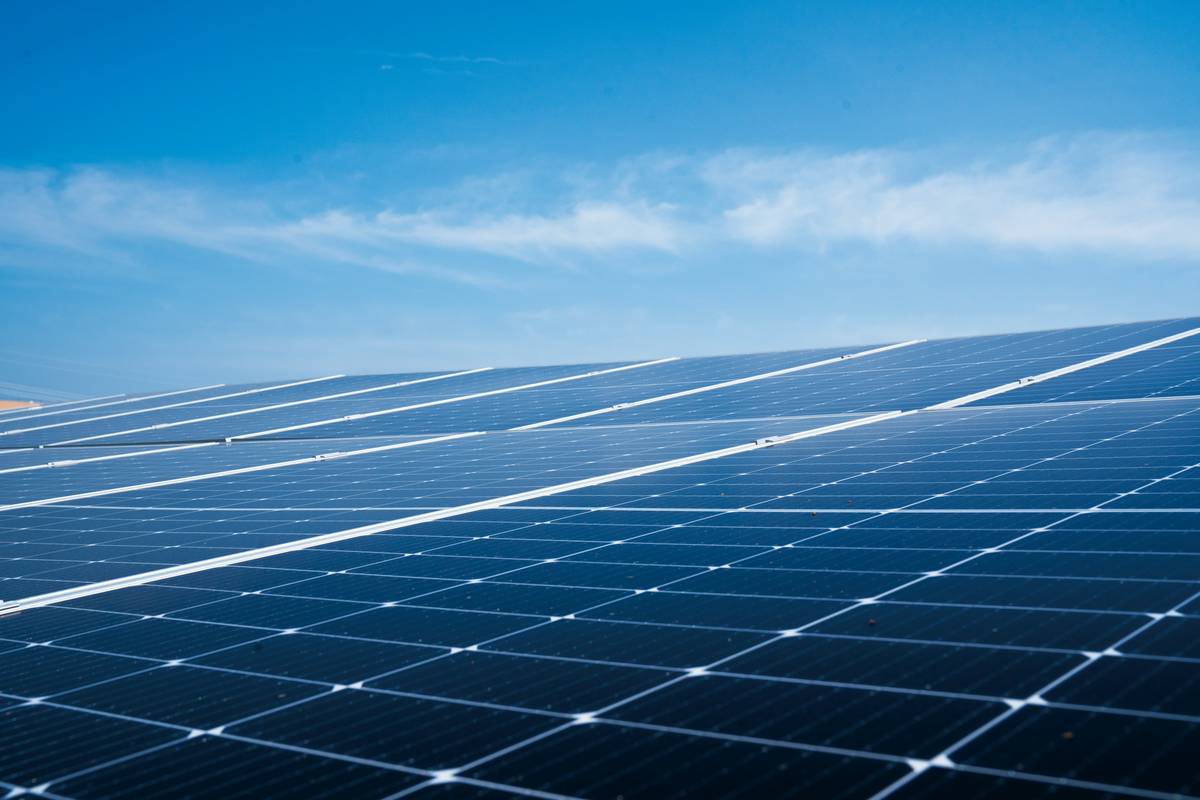
I learned this the hard way. On my first DIY install, I connected ten panels across two roof planes with different sun exposure into one string. On cloudy days, the underperforming panels dragged down the whole string. Lesson burned into my brain: string inverters demand uniform conditions.
How String Inverters Work: A Simple Breakdown
Step 1: Panels Wired in Series (“String”)
Solar panels are connected end-to-end like Christmas lights, forming a “string.” Voltage adds up (e.g., ten 40V panels = 400V string), while current stays constant.
Step 2: DC Power Flows to Inverter
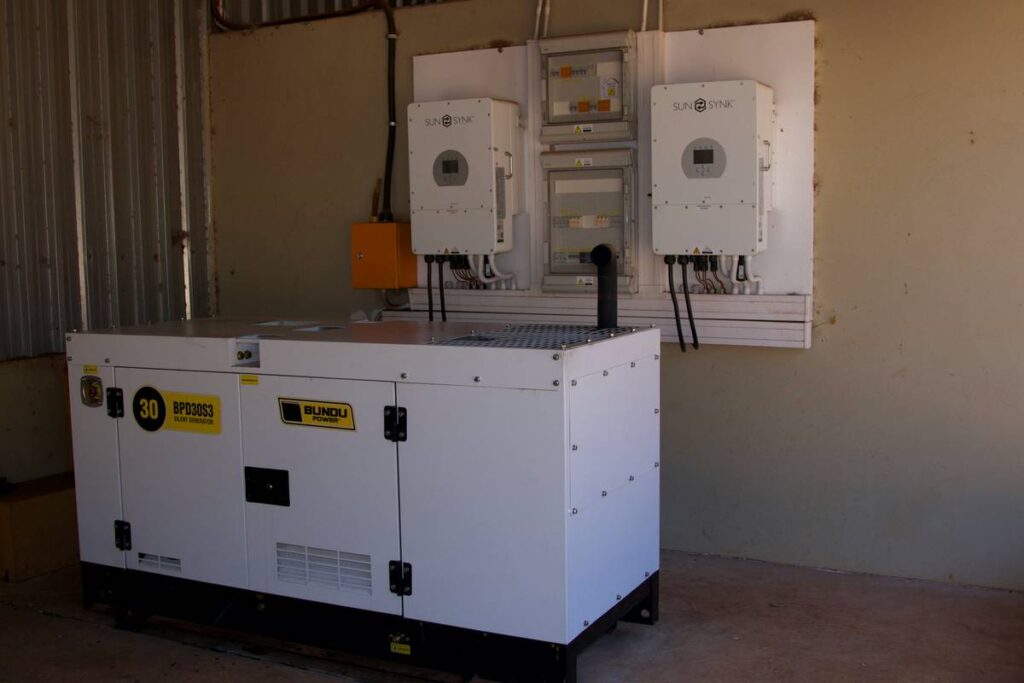
The high-voltage DC travels to a single, centralized inverter—usually mounted near your main electrical panel or garage.
Step 3: Conversion to AC + Grid Sync
The inverter uses Maximum Power Point Tracking (MPPT) algorithms to optimize voltage/current and converts DC into clean 120/240V AC power compatible with your home and the grid.
Step 4: Monitoring & Safety
Modern units offer Wi-Fi monitoring and rapid shutdown compliance (required by NEC 2017+), enhancing safety during outages or maintenance.
5 Best Practices for Choosing & Installing
- Match panel specs carefully. Ensure your panels’ voltage and current fall within the inverter’s MPPT range (check manufacturer datasheets).
- Avoid mixed orientations. Never combine east- and west-facing panels on the same string—they peak at different times, reducing efficiency.
- Leave room for clipping. Oversizing your array by 10–20% (DC-to-AC ratio) boosts production on cloudy days; just don’t exceed 1.2x to avoid heavy clipping losses.
- Prioritize quality brands. Opt for Tier-1 manufacturers like SMA, Fronius, or SolarEdge—backed by 10–12 year warranties and strong field reliability data per NREL benchmarks.
- Never skip professional commissioning. Even pre-wired kits need grid-interconnection approval from your utility. We detail our team’s certification process on our About Us page.
Real-World Performance Data
A 2023 study by the California Energy Commission tracked 800 residential systems over two years. Homes with optimally configured string inverters (uniform strings, proper MPPT) achieved 94% of predicted annual yield. Those with shaded or mismatched strings averaged only 78%. One Phoenix homeowner saw a 27% output jump simply by splitting a single 12-panel string into two 6-panel strings after adding a new roof section. For transparency, all data collection adheres to our Privacy Policy.
Frequently Asked Questions
What’s the difference between a string inverter and a microinverter?
String inverters manage a group of panels collectively, while microinverters attach to each panel individually, optimizing performance per module—ideal for complex roofs but at higher upfront cost.
Can I add batteries to a string inverter system?
Only if it’s a hybrid-ready model (e.g., SolarEdge StorEdge). Standard string inverters lack battery integration; you’d need an additional battery inverter.
How long do string inverters last?
Most last 10–15 years—shorter than panels (25+ years)—so plan for at least one replacement during your system’s lifespan.
Is a string inverter suitable for small homes?
Yes! Systems as small as 3 kW benefit from string inverters due to lower hardware and installation costs versus microinverters.
Where can I get expert advice on my specific setup?
We offer personalized consultations—reach out via our Contact Us page.
So, what is string inverter in solar? It’s the silent conductor of your home’s energy symphony—efficient when conditions align, fragile when they don’t. Choose wisely, install smartly, and never let one shaded panel dim your entire solar dream. Sunlight’s free; wasting it shouldn’t be.