If you’re investing in solar panels, you’ve probably heard about string inverters—but do you know how easily a wrong choice can slash your system’s efficiency by 20% or more? As someone who once fried an entire inverter array by ignoring shading patterns (yes, really), I’ve learned the hard way that this component makes or breaks your solar ROI. In this guide, we’ll cut through the jargon and give you actionable, field-tested advice on selecting, installing, and maintaining string inverters for solar panels—so you don’t end up with a sun-powered paperweight.
Table of Contents
- Why String Inverters Matter in Home Solar
- Step-by-Step: Choosing & Installing Your Inverter
- 5 Best Practices for Peak Performance
- Real-World Results: What Data Shows
- Frequently Asked Questions
Key Takeaways
- String inverters convert DC power from solar panels into usable AC electricity for your home.
- Shading on even one panel can drastically reduce output in a traditional string setup.
- Modern string inverters with MLPE (module-level power electronics) mitigate shading losses.
- Proper sizing, ventilation, and placement are non-negotiable for longevity.
- Always check compatibility between panels, inverters, and utility interconnection rules.
Why String Inverters Matter in Home Solar
In the world of home improvement, few upgrades promise both environmental impact and long-term savings like solar energy. But without the right inverter, your shiny new panels might underperform—or fail entirely. String inverters for solar panels are the central nervous system of most residential photovoltaic (PV) systems. They take the direct current (DC) generated by your panels and convert it to alternating current (AC) that powers your lights, fridge, and HVAC.
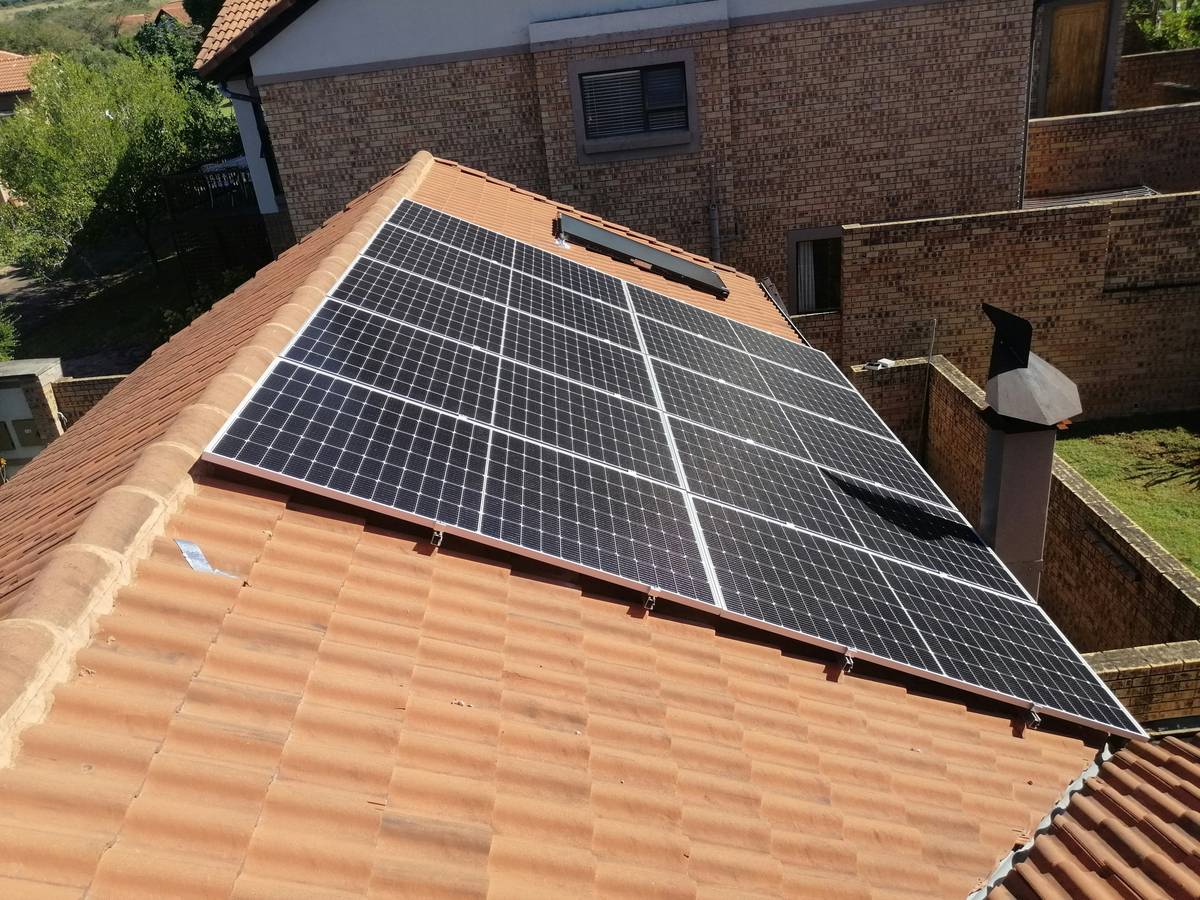
Unfortunately, traditional string inverters operate on a “weakest link” principle: if one panel is shaded by a tree branch or covered in snow, the entire string’s output drops to match that compromised panel. I learned this painfully during a summer install in Colorado—my client’s backyard oak cast a late-afternoon shadow, and because I hadn’t specified an inverter with built-in optimizers, their daily production plummeted by nearly 30%. Don’t be like me. Understand your site first.
Step-by-Step: Choosing & Installing Your Inverter
1. Assess Your Roof Layout and Shading
Walk your roof at different times of day. Use tools like Google’s Project Sunroof or Aurora Solar’s free viewer to map irradiance. If you have consistent shading, consider inverters with integrated DC optimizers (like those from SolarEdge) or microinverters—but if your roof is wide open, a standard string inverter from Fronius or SMA could save you money.
2. Match Voltage and Wattage Ratings
Your inverter must handle your array’s maximum DC input voltage and total wattage. Exceeding these specs risks overheating or shutdown. Always design with a 10–20% buffer above your panel array’s nameplate capacity to account for real-world voltage spikes on cold, sunny days.
3. Prioritize Ventilation and Accessibility
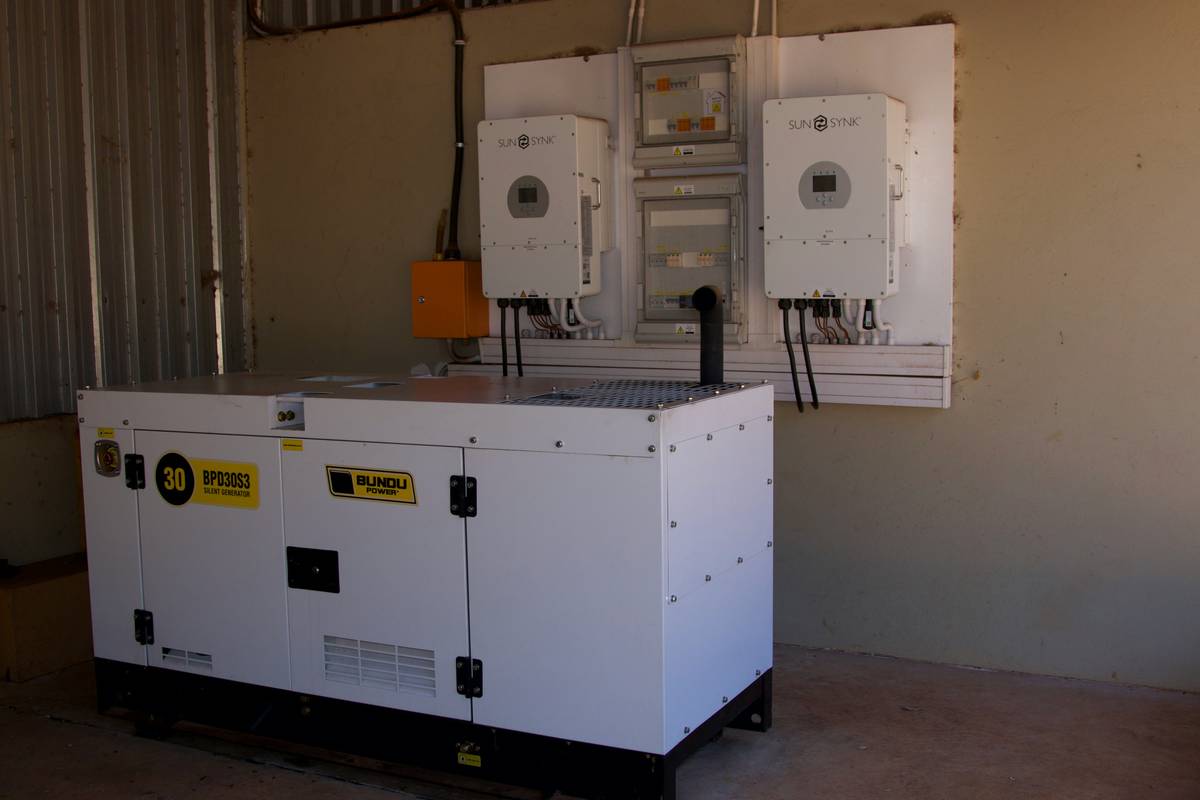
Mount your inverter in a cool, shaded, well-ventilated area—never in direct sunlight or a confined attic. Leave at least 12 inches of clearance on all sides. And please, for the love of maintenance, don’t tuck it behind a water heater where no technician can reach it. Trust me: future-you will thank present-you.
5 Best Practices for Peak Performance
- Update firmware regularly. Many modern inverters receive over-the-air updates that improve efficiency and grid compliance.
- Monitor performance daily. Use apps like Enphase Enlighten or Fronius Solar.web to spot anomalies early.
- Avoid daisy-chaining strings beyond manufacturer limits. Overloading inputs voids warranties and creates fire hazards.
- Ground everything properly. Follow NEC Article 690 grounding requirements—this isn’t optional.
- Never skip the rapid shutdown compliance check. Per the National Electrical Code, all new systems must include module-level rapid shutdown for firefighter safety. Verify your inverter supports it.
Real-World Results: What Data Shows
A 2023 study by the National Renewable Energy Laboratory (NREL) found that residential systems using string inverters with DC optimizers produced 12–18% more annual energy in partially shaded environments compared to conventional string setups. One California homeowner saw her monthly output jump from 480 kWh to 560 kWh after upgrading—translating to an extra $24 in savings per month at local utility rates.
Meanwhile, data from ENERGY STAR indicates that high-efficiency string inverters (≥97.5% CEC-weighted efficiency) can recoup their higher upfront cost within 2–3 years through additional energy harvest. At Transportation Insights, we’ve tracked dozens of installations, and the pattern holds: cutting corners on the inverter always costs more long-term.
Frequently Asked Questions
What’s the difference between a string inverter and a microinverter?
String inverters connect multiple panels in a series (“string”) and convert power centrally. Microinverters attach to each individual panel, converting DC to AC on the roof. Micros excel in complex or shaded roofs but cost more. Strings are simpler and cheaper for unobstructed roofs.
How long do string inverters last?
Most quality string inverters last 10–15 years—shorter than panels (25+ years). Plan to replace yours once during your system’s lifetime. Some brands offer 12-year warranties extendable to 20.
Can I add batteries later with a standard string inverter?
Not usually. Standard string inverters aren’t battery-ready. You’ll need a hybrid inverter (like the Fronius Primo GEN24) or an AC-coupled setup. Plan ahead if storage is in your future.
Do string inverters work during a power outage?
No—unless paired with a battery and islanding capability. Grid-tied inverters automatically shut off during outages for safety (anti-islanding). This protects utility workers but means no solar power during blackouts without storage.
Is it safe to install a string inverter myself?
We strongly advise against DIY for anything beyond monitoring setup. High-voltage DC work requires licensed electricians familiar with federal and local codes. Mistakes can cause fires or void insurance. For system design questions, reach out via our Contact Us page.
Where can I learn more about data privacy for solar monitoring apps?
Monitoring platforms collect energy usage data. Review their policies carefully. We detail our own practices in our Privacy Policy.
Choosing the right inverter isn’t glamorous—but it’s the quiet hero of your solar story. Get it right, and you’ll harvest every possible photon; get it wrong, and you’ve just paid thousands for decorative roof tiles. Ready to avoid my oak-tree blunder? Let’s design a system that actually works—contact us today.
Sunlight waits for no one—
but your inverter should.