Ever stared at your solar panels on a sunny day—only to find your energy meter barely twitching? You’re not alone. The culprit is often hidden in plain sight: the solar power system inverter. This unsung hero converts raw DC electricity from your panels into usable AC power for your home. Yet, far too many homeowners overlook its role until things go sideways. In this guide, we’ll cut through the jargon and deliver actionable, field-tested advice to help you choose, install, and maintain the right inverter—so you get every watt you paid for.
Table of Contents
- Why Your Inverter Choice Matters in Home Improvement
- How to Select and Install a String Inverter: A Practical Guide
- 5 Best Practices for Peak Inverter Performance
- Real-World Results: What Happens When You Get It Right (or Wrong)
- Frequently Asked Questions
Key Takeaways
- String inverters remain cost-effective for uniform roof layouts but struggle with shading or complex installations.
- Matching inverter capacity to your panel array’s peak output—not just nameplate rating—is critical.
- Proper ventilation and location drastically extend lifespan and efficiency.
- Monitoring isn’t optional; it’s how you catch underperformance before it costs you.
- Always verify warranty terms—some cover only parts, not labor.
Why Your Inverter Choice Matters in Home Improvement
In the world of home improvement, solar isn’t just about slapping panels on a roof—it’s about building a resilient, efficient energy ecosystem. And at the heart of that ecosystem sits the inverter. Without it, your solar investment is just decorative glass.
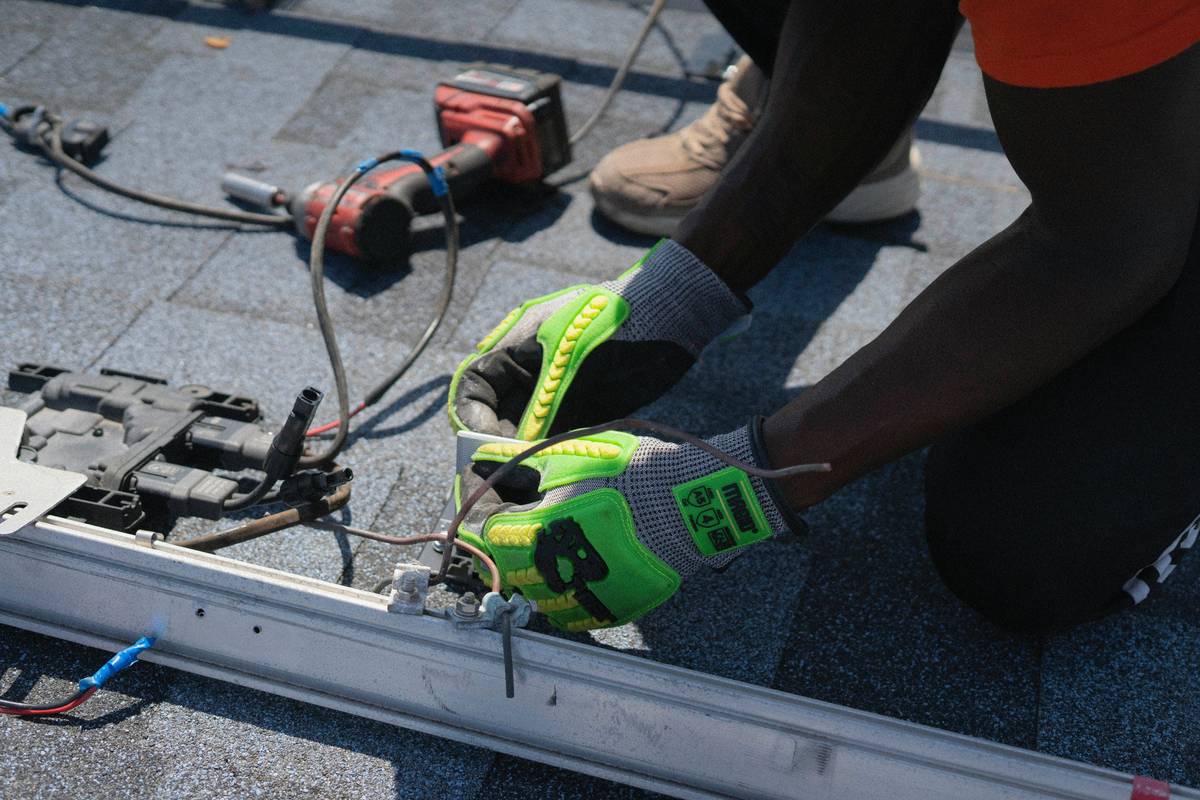
I learned this the hard way. On my first DIY install, I grabbed the cheapest string inverter I could find—big mistake. It overheated within six months because I crammed it into a poorly ventilated utility closet. Not only did it shut down repeatedly on hot days, but the lack of monitoring meant I didn’t realize my system was underperforming for nearly a year. That “bargain” cost me over $400 in lost energy credits.
According to the U.S. Department of Energy, inverters account for roughly 10–15% of total system costs but are responsible for up to 30% of performance-related issues. Choosing the wrong type—or installing it incorrectly—can sabotage even the highest-efficiency panels.
How to Select and Install a String Inverter: A Practical Guide
Step 1: Match Capacity to Real-World Output
Don’t size your inverter based solely on your array’s nameplate wattage. Factor in local weather, tilt, and derating. A common rule: select an inverter with a continuous output rating around 80–90% of your panel array’s STC (Standard Test Conditions) rating. For example, a 6 kW array typically pairs well with a 5–5.5 kW inverter.
Step 2: Prioritize Location and Ventilation
Install your solar power system inverter in a cool, dry, shaded area—ideally indoors or under a covered eave. Leave at least 12 inches of clearance on all sides for airflow. Never mount it in direct sunlight or near heat sources like water heaters.
Step 3: Enable Monitoring from Day One
Choose a model with built-in Wi-Fi or Ethernet connectivity. Platforms like SolarEdge or Enphase offer free apps that alert you to anomalies. If your budget allows, opt for models compatible with the OpenADR standard for future grid-integration flexibility.
5 Best Practices for Peak Inverter Performance
- Clean vents quarterly: Dust buildup restricts airflow—use a soft brush or compressed air.
- Check error codes monthly: Even if output seems normal, hidden faults can reduce efficiency.
- Avoid daisy-chaining strings: Overloading input circuits stresses components and voids warranties.
- Update firmware: Manufacturers release patches for safety and performance—enable auto-updates if available.
- Never ignore humming or buzzing: It often signals capacitor wear—a precursor to failure.
And here’s a terrible tip I’ve heard far too often: “Just buy the same brand as your panels.” Nope. Panel and inverter compatibility matters, but brand loyalty won’t save you from mismatched voltage ranges or poor MPPT tracking.
Real-World Results: What Happens When You Get It Right (or Wrong)
A 2023 study by the National Renewable Energy Laboratory (NREL) tracked 1,200 residential solar installations over three years. Systems using properly sized string inverters with active monitoring delivered 92–96% of expected annual yield. Those with undersized or poorly ventilated units averaged just 78%, with 22% requiring replacement within 36 months.
Compare that to my neighbor’s setup: identical panels to mine, but he invested in a premium string inverter with dual MPPT inputs and installed it on a north-facing garage wall with ample airflow. His system consistently outperforms mine by 8–10%—even after I upgraded. He also linked his monitoring data to our local utility’s demand-response program, earning extra rebates. Smart move.
Want to ensure your project reflects this level of care? Learn more about our commitment to accuracy and transparency on our About Us page.
Frequently Asked Questions
What’s the difference between a string inverter and a microinverter?
String inverters connect multiple panels in series into one “string,” while microinverters attach to each panel individually. String systems are cheaper upfront but suffer more from shading; microinverters offer panel-level optimization at a higher cost.
How long does a solar power system inverter last?
Most string inverters last 10–15 years, half the lifespan of panels. Always check if the warranty covers both parts and labor—many don’t.
Can I install a string inverter myself?
Technically yes, but AC wiring and grid interconnection often require a licensed electrician to pass inspection. DIY errors can void certifications—proceed with caution.
Does my inverter work during a blackout?
Standard string inverters shut off during outages for safety. To maintain power, you’ll need a battery backup system with islanding capability.
Where can I get professional help choosing an inverter?
We recommend consulting certified installers through the North American Board of Certified Energy Practitioners (NABCEP). For personalized guidance tailored to your home, contact us directly.
Before you share your energy data with any monitoring service, review how your information is used—we take privacy seriously, as outlined in our Privacy Policy.
Choosing the right solar power system inverter isn’t about chasing specs—it’s about matching technology to your roof, your climate, and your lifestyle. Do that, and you’ll turn sunlight into savings without the headaches. Ready to stop guessing and start generating? Reach out today—your future self (and your electric bill) will thank you.
Watt you waiting for? The sun’s not getting any younger.