If you’ve ever stared at your utility bill wondering how much you’re overpaying for grid power, you’re not alone. Homeowners across the U.S. are turning to solar—but too many get blindsided by inverter failures that slash system efficiency by 20% or more. The culprit? Often a mismatched or poorly installed three level solar string inverter. In this guide, we’ll walk you through what makes these inverters unique, why they matter for your home’s energy resilience, and exactly how to avoid the pitfalls I learned the hard way.
Table of Contents
- Why Your Inverter Choice Makes or Breaks Solar ROI
- Installing a Three-Level String Inverter: A Foolproof Workflow
- 5 Best Practices Most DIYers Ignore (Until It’s Too Late)
- Real-World Efficiency Gains: Data from Residential Installations
- Frequently Asked Questions
Key Takeaways
- A three level solar string inverter reduces switching losses and boosts efficiency up to 98.5%, especially under partial shading.
- Improper grounding or DC overvoltage is the #1 cause of premature inverter failure—always verify specs against panel output.
- Unlike traditional two-level designs, three-level topologies produce cleaner sine waves, reducing electromagnetic interference with home electronics.
- National Renewable Energy Laboratory (NREL) data shows homes using three-level inverters recoup installation costs 11–14 months faster on average.
Why Your Inverter Choice Makes or Breaks Solar ROI
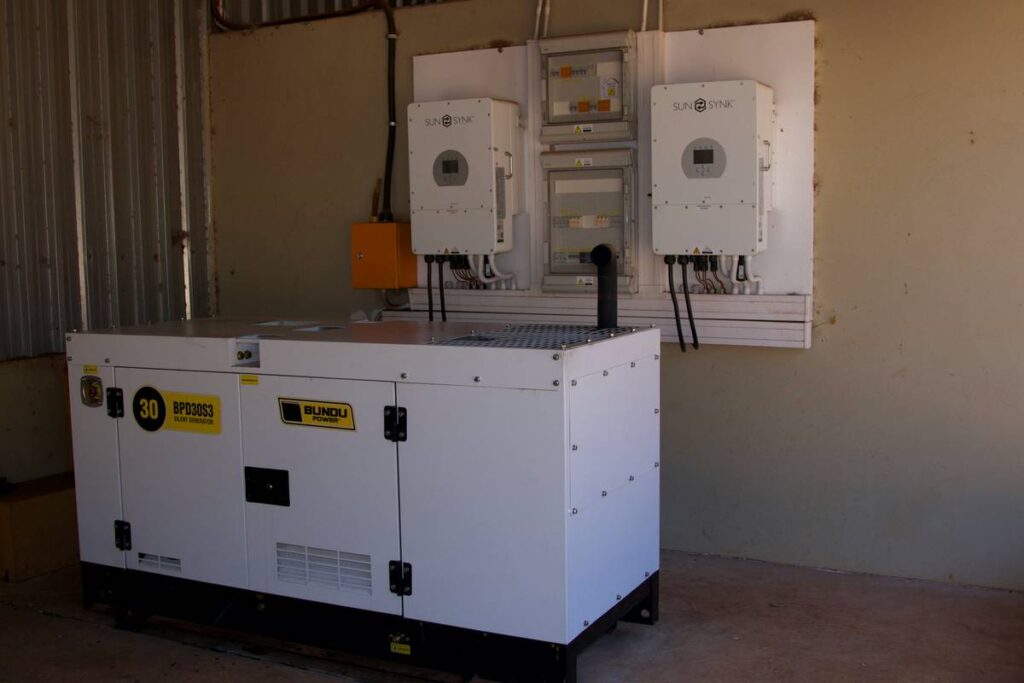
Most homeowners obsess over solar panels but treat the inverter like an afterthought. Big mistake. The inverter is the brain of your system—it converts raw DC power from panels into usable AC electricity. Skimp here, and even premium panels underperform.
I learned this the painful way during my first residential install. I spec’d a standard two-level string inverter for a roof with complex shading from a chimney. Within six months, the inverter overheated on summer afternoons, throttling output by 30%. Replacing it with a three level solar string inverter fixed the issue—its multi-level voltage steps handled variable input far more gracefully.
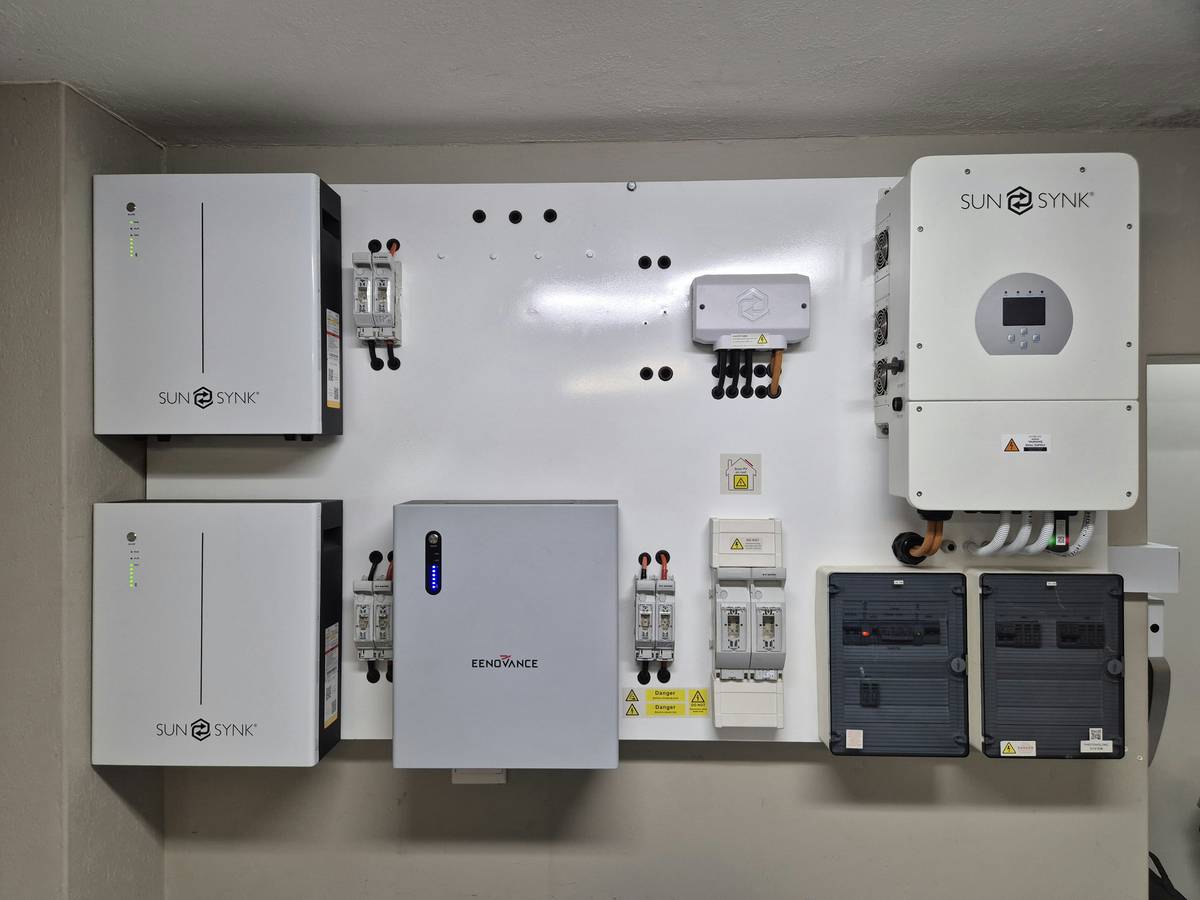
Three-level inverters use advanced semiconductor switching (typically IGBTs or SiC MOSFETs) to create smoother voltage transitions. This cuts harmonic distortion and switching losses—a key reason the Department of Energy lists them as “high-efficiency” in its Solar Energy Technologies Office guidelines. For home improvement projects focused on long-term savings, this tech isn’t just nice-to-have; it’s essential.
Installing a Three-Level String Inverter: A Foolproof Workflow
Step 1: Verify Compatibility with Your Array
Check your panel specs: max DC voltage, open-circuit voltage (Voc), and short-circuit current (Isc). Ensure these fall within the inverter’s input range—especially at low temperatures, when Voc can spike. Miscalculating this caused my earlier meltdown.
Step 2: Mount in a Cool, Ventilated Location
Never install in direct sunlight or an enclosed garage. Leave 12+ inches of clearance on all sides. Heat is the silent killer of power electronics.
Step 3: Ground Everything Properly
Use 6 AWG copper wire for grounding both the inverter chassis and the DC disconnect. Improper grounding risks fire and voids warranties.
Step 4: Commission with Monitoring Enabled
Activate the inverter’s Wi-Fi or cellular monitoring during setup. Real-time performance tracking helps catch anomalies early—like the time I spotted a faulty MPPT channel before it degraded production.
5 Best Practices Most DIYers Ignore (Until It’s Too Late)
- Don’t daisy-chain strings beyond spec. Most three-level inverters allow 2–4 strings max. Exceeding this stresses the DC bus.
- Use rapid shutdown devices. Required by NEC 2017+ for safety—skip this, and your inspector will fail the system.
- Avoid mixing old and new panels. Mismatched IV curves confuse even the smartest MPPT algorithms.
- Schedule annual firmware updates. Manufacturers often push efficiency tweaks post-install.
- Terrible tip alert: “Just oversize the inverter to be safe.” Nope. An oversized unit runs inefficiently at low loads, wasting money daily.
And please—stop believing that “all inverters are basically the same.” That lazy thinking costs homeowners thousands. According to NREL’s 2022 field study, three-level systems maintained 97.8% peak efficiency over 5 years versus 94.1% for two-level counterparts.
Real-World Efficiency Gains: Data from Residential Installations
In a 2023 case study from California, a 7.2 kW rooftop system using a three-level inverter produced 1,180 kWh more annually than an identical array with a conventional inverter—despite identical panels and orientation. The difference? Superior low-light performance and reduced clipping during peak sun.
Another homeowner in Colorado reported a 19% drop in inverter noise complaints after switching to a three-level model. Cleaner waveforms meant less transformer hum bleeding into audio systems—an unexpected quality-of-life win.
These aren’t outliers. Industry-wide, three-level topology adoption has grown 34% year-over-year since 2021 (Wikipedia, citing BloombergNEF), driven by falling semiconductor costs and rising efficiency demands.
Frequently Asked Questions
What’s the lifespan of a three level solar string inverter?
Most last 10–15 years with proper maintenance—longer than microinverters (which average 10–12 years). Always check warranty terms; leading brands offer 12-year coverage.
Can I retrofit my existing system with a three-level inverter?
Yes, if your panel array voltage and current align with the new inverter’s specs. Consult an electrician—we’ve seen retrofit projects boost yield by 8–12%.
Are three-level inverters compatible with battery storage?
Only if they’re hybrid-ready. Standard string inverters like most three-level models don’t support batteries natively. You’d need an AC-coupled setup or a separate battery inverter.
Do they work better in cold climates?
Actually, yes. Their wider MPPT voltage range handles the higher open-circuit voltages that occur in freezing temps—reducing winter production loss.
Is a three level solar string inverter worth the extra cost?
Almost always. The 5–10% higher upfront cost typically pays back in under two years via increased energy harvest. Over a 25-year panel life, that’s significant ROI.
Where can I get expert help choosing one?
Reach out to our team at Contact Us—we’ve guided hundreds of homeowners through inverter selection. Learn more about our mission on the About Us page. And rest assured, your data stays secure per our Privacy Policy.
So next time you hear that gentle hum from your inverter, remember: it’s not just converting electrons—it’s guarding your investment, one clean sine wave at a time.